
The Rise of Hybrid Beauty Businesses: In-Person + Digital Services
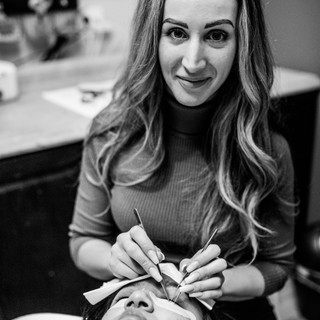
The beauty industry has traditionally been rooted in hands-on, in-person services. However, as technology continues to evolve and client expectations shift, a new model is emerging—the hybrid beauty business. This approach blends physical salon services with digital offerings, creating a more flexible, scalable, and modern business structure. For salon owners across Canada and beyond, this shift presents a powerful opportunity to expand revenue streams, improve client experience, and future-proof their businesses.

At its core, a hybrid beauty business is about extending your expertise beyond the chair. While clients still value the in-person experience—whether it’s a facial, haircut, or nail service—they are increasingly looking for continued support, education, and convenience outside of their appointments. This is where digital services come into play.
One of the most common and effective digital integrations is the use of online booking systems and digital consultations. Many Canadian salons have already adopted this model to streamline their operations. Digital consultations, for example, allow professionals to assess client needs, discuss goals, and recommend services before the client even steps into the salon. This not only saves time during appointments but also enhances the overall client experience by creating a more personalized and efficient service flow.
In addition to consultations, salons are expanding their digital presence through online platforms that combine booking, education, and e-commerce. A Canadian example can be seen in small businesses supported by programs like ShopHERE, where salon owners have developed websites that allow clients to book services, shop products, and access educational content all in one place. This type of online integration strengthens brand credibility while making services more accessible to a wider audience.
E-commerce has become another key component of hybrid beauty businesses. By offering retail products online, salons can generate income even when they are not physically open. Canadian service providers now offer integrated e-commerce solutions that allow salons to create seamless online stores that match their in-person brand experience. This not only increases revenue but also supports client retention by making it easier for clients to maintain their routines at home.
Beyond services and products, hybrid models also open the door to digital education and content creation. Salon owners can leverage their expertise by creating skincare guides, tutorials, or mini-courses that clients can purchase or access online. This positions the business as an authority in its niche while building trust and long-term relationships. In a digital-first world, content also plays a critical role in visibility, as educational and engaging material helps attract new clients and maintain engagement with existing ones.
The rise of hybrid beauty businesses is also closely tied to the growth of automation and business management software. Platforms designed for salons now integrate booking, marketing, payments, and client communication into one system, allowing business owners to operate more efficiently. These tools not only reduce administrative workload but also enhance the client journey through automated reminders, personalized messaging, and streamlined transactions.
Importantly, the hybrid model is not about replacing in-person services—it’s about enhancing them. The physical salon experience remains the foundation of the business, but digital elements act as an extension that supports growth and scalability. For small salon owners, this means the ability to generate income beyond working hours, reach clients outside their immediate location, and provide a more comprehensive service experience.
In conclusion, the rise of hybrid beauty businesses reflects a broader shift in how services are delivered and consumed. Clients now expect convenience, personalization, and ongoing support—and salons that adapt to these expectations will be better positioned for long-term success. By integrating digital tools, expanding online offerings, and leveraging their expertise beyond the chair, beauty professionals can create a business model that is not only more resilient but also more aligned with the future of the industry.

Comments