
Top 10 Salon Trends to Watch in 2026 and Beyond
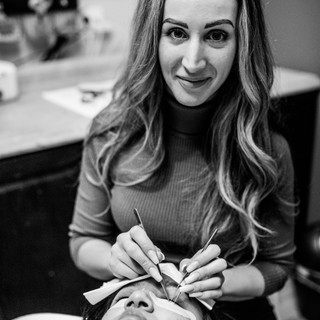
The beauty and wellness industry is constantly evolving, and for salon owners, staying ahead of emerging trends is no longer optional—it’s essential. As we move into 2026 and beyond, success in the salon industry will be defined not only by technical skill, but by innovation, client experience, and strategic business decisions. For small business owners, adapting to these changes can create new opportunities for growth, increased revenue, and stronger client loyalty.
One of the most significant shifts in the industry is the rise of personalized client experiences. Clients are no longer satisfied with generic services; they expect treatments tailored specifically to their needs, preferences, and lifestyle. Salons that incorporate detailed consultations, track client histories, and create customized treatment plans will stand out in an increasingly competitive market. This level of personalization builds trust and encourages long-term relationships.
Another growing trend is the emergence of hybrid beauty businesses, where in-person services are complemented by digital offerings. Salon owners are expanding beyond the chair by offering virtual consultations, selling digital products such as skincare guides, or creating online courses. This not only diversifies income streams but also allows businesses to reach a broader audience beyond their local market.
Sustainability is also becoming a major focus for consumers. More clients are seeking out salons that align with their values, particularly when it comes to eco-conscious and clean beauty practices. Incorporating sustainable products, reducing waste, and being transparent about ingredients can help build credibility and attract a more mindful clientele.
Financial stability and predictability are driving the adoption of membership and subscription-based models. Rather than relying solely on one-time appointments, salons are introducing monthly packages for services such as facials, lash maintenance, or nail care. This approach not only improves cash flow but also strengthens client retention by encouraging consistent visits.
In addition to service offerings, there is a noticeable shift toward prioritizing long-term skin health over quick fixes. Clients are becoming more educated and are looking for professionals who can guide them through sustainable routines and treatment plans. Salons that position themselves as experts—focusing on education and results rather than trends—will build deeper trust and authority in their field.
Retail is also evolving into a more intentional and experience-driven component of the salon. Rather than simply displaying products, successful salons are integrating retail into their services through education, demonstrations, and curated bundles. Pairing high-performing products with slower-moving inventory or creating targeted promotions can significantly increase sales without feeling overly transactional.
Technology continues to reshape how salons operate, making automation and smart systems more important than ever. From online booking platforms and automated reminders to email marketing and inventory tracking, these tools streamline operations and enhance the overall client experience. For small business owners, implementing the right systems can reduce administrative workload and allow more focus on growth.
The integration of wellness into beauty services is another trend gaining momentum. Clients are seeking experiences that not only improve their appearance but also support their overall wellbeing. Simple additions such as aromatherapy, calming environments, or relaxation-focused add-ons can elevate a standard appointment into a holistic experience.
At the same time, many salons are finding success by narrowing their focus and embracing niche specialization. Rather than offering a wide range of services, businesses that specialize in a specific area—such as acne treatments, bridal beauty, or natural nail care—are better able to position themselves as experts and attract their ideal clientele.
Finally, content-driven marketing has become a cornerstone of business growth. A salon’s online presence often serves as its first impression, and clients are increasingly making decisions based on what they see on social media. Educational posts, before-and-after transformations, and authentic client testimonials help build trust and visibility, ultimately driving bookings.
In conclusion, the salons that will thrive in 2026 and beyond are those that are willing to evolve with the industry while staying true to their core values. By embracing personalization, leveraging technology, diversifying income streams, and focusing on both client experience and business systems, salon owners can position themselves for long-term success. Rather than trying to implement every trend at once, the key is to start small—choose one or two strategies that align with your brand and build from there.
Staying informed and adaptable is what transforms a good salon into a thriving, sustainable business.


Comments